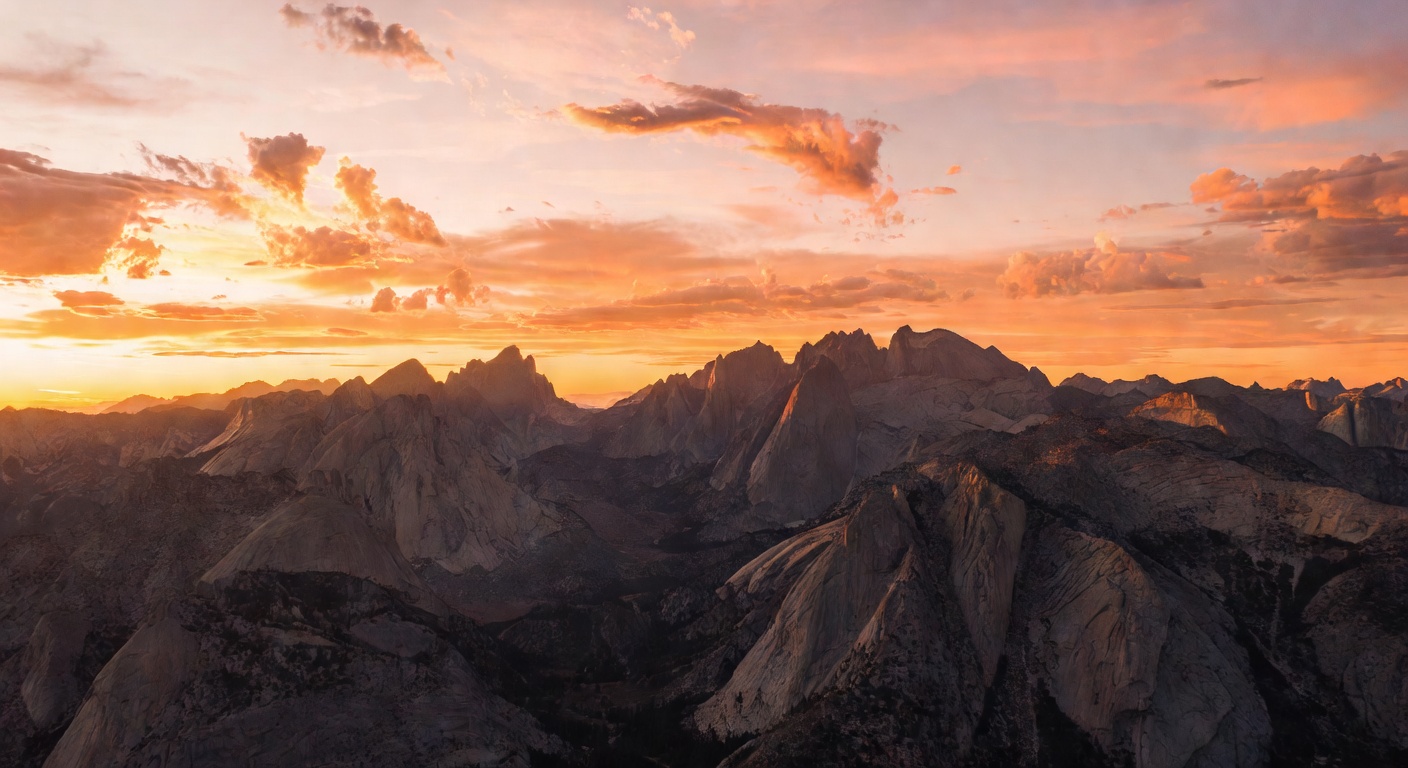
Iceland's dramatic volcanic landscape with glaciers and mountains under a vivid sky

Iceland

Land of Fire, Ice & Endless Horizons

🍃🍃🍃🍃🍃 Eco Rating 🌍 North Atlantic 📅 Best: Jun–Aug / Dec–Feb 🌡️ -5 to 20°C

Europe's Most Sustainable Destination

Iceland occupies a unique position on the world's sustainability map — a nation of just 370,000 people that generates 99% of its electricity from renewable geothermal and hydroelectric sources. Heated by the Earth's own volcanic energy, Iceland's homes, swimming pools, greenhouses, and industries run on clean power that most countries can only dream of. In a world grappling with the climate crisis, Iceland offers a striking vision of what a post-carbon society might look like.

But Iceland's eco credentials extend far beyond its energy grid. The country has been at the forefront of whale watching (as an alternative to whaling), sustainable fisheries management, and environmental protection legislation that keeps its extraordinary landscapes accessible while preserving their integrity. The ring road that circumnavigates the island offers one of the world's great road trips — through basalt sea stacks, lava fields frosted with moss, thundering waterfalls, and glacier tongues that stretch to the sea.

99%

Renewable Energy

11%

of Land is Glacier

130+

Volcanic Mountains

Where Geology Becomes Spectacle

Iceland straddles the Mid-Atlantic Ridge — the divergent boundary between the North American and Eurasian tectonic plates. This means the island is literally being torn apart and rebuilt simultaneously, producing an extraordinary dynamic landscape: geysers erupt like clockwork, volcanic eruptions reshape the land, glaciers calve icebergs into glassy lagoons, and the northern lights paint the winter sky with otherworldly color. Every feature of Iceland's landscape is the product of geological forces operating on a timescale that dwarfs human history.

Iceland's isolation — 800km from Scotland, 1,000km from Norway — has produced wildlife found nowhere else. The Arctic fox is Iceland's only native land mammal. Puffins, the much-loved seabirds, nest in their millions on coastal cliffs. Humpback, minke, and blue whales feed in Iceland's nutrient-rich waters. Reindeer, introduced from Norway, roam the eastern highlands. And every summer, millions of migratory birds arrive to breed in Iceland's wetlands, making it one of Europe's most important birding destinations.
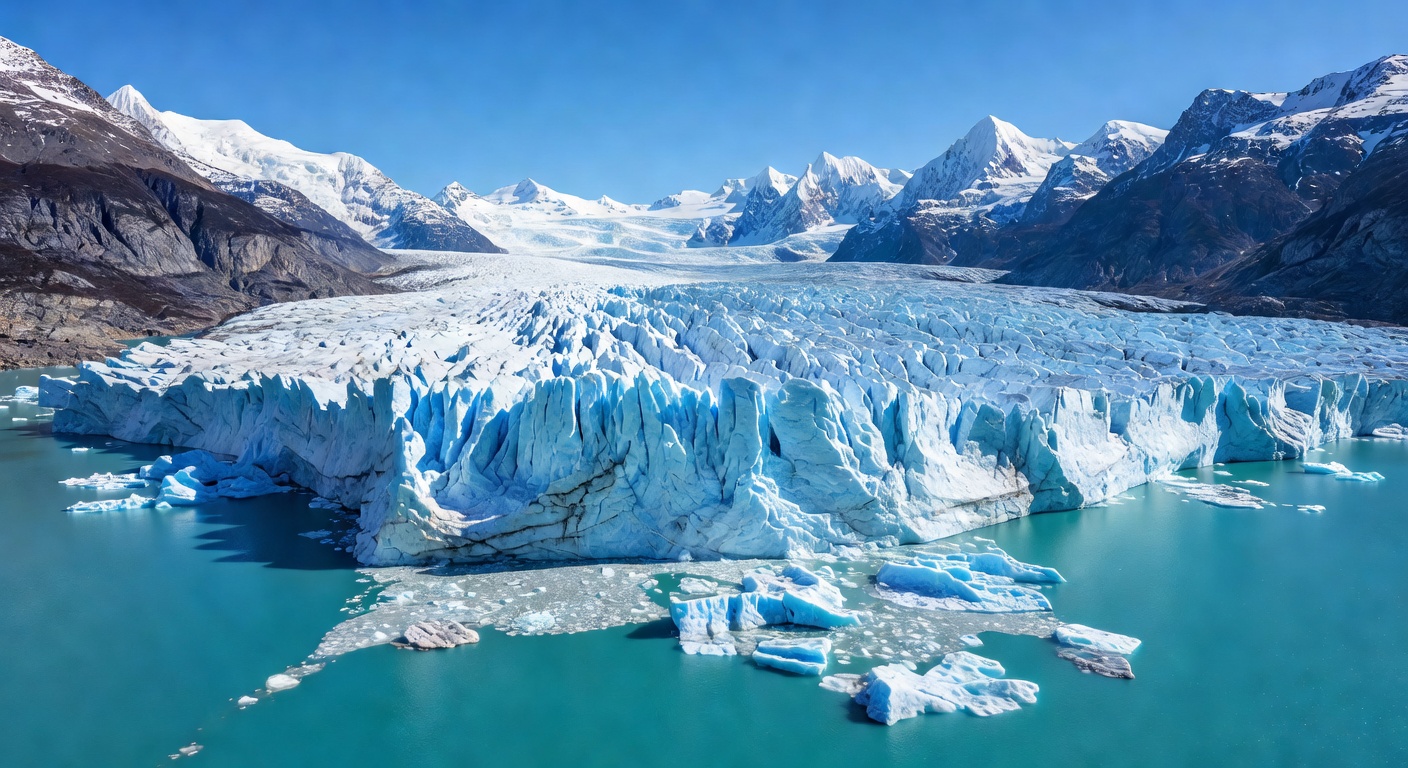
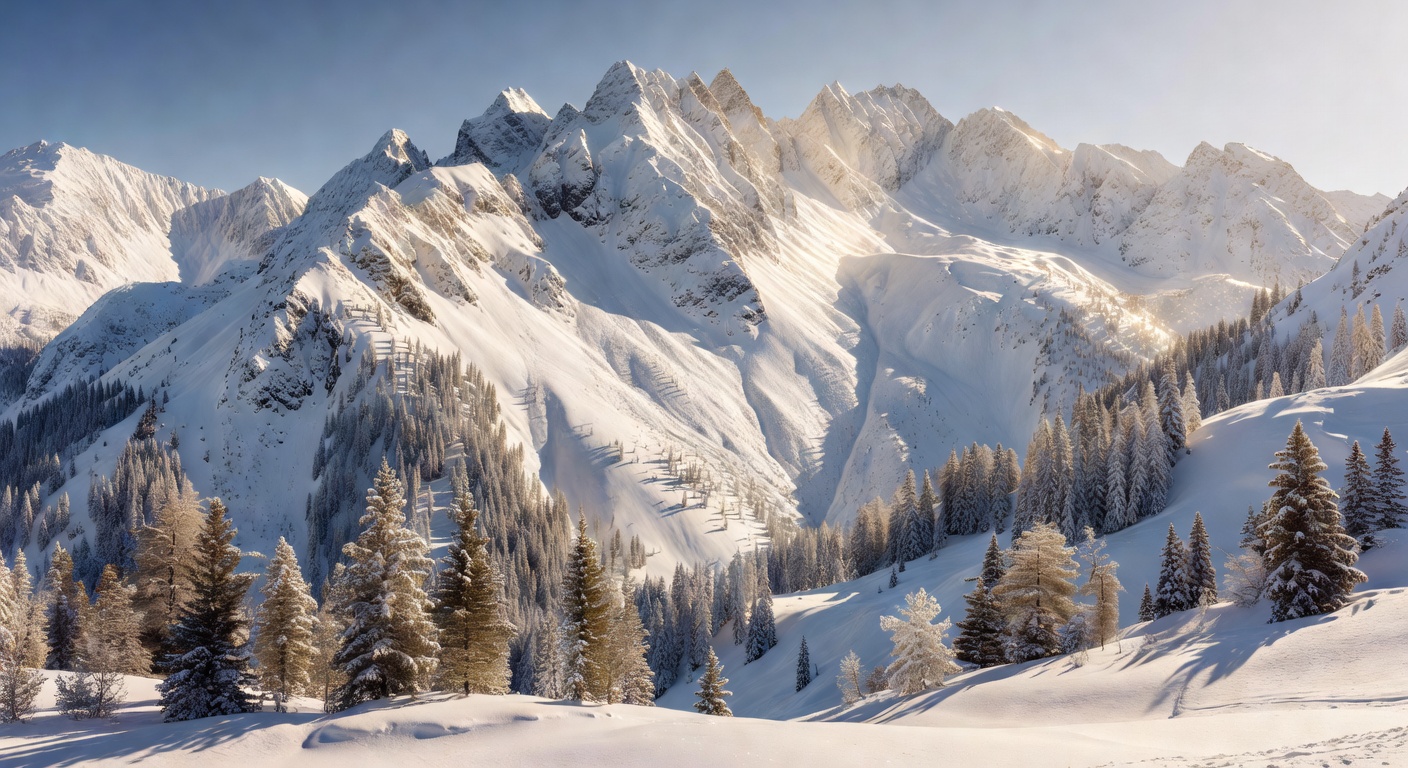
Iceland's Extraordinary Landscapes

From dancing auroras to ancient glaciers, Iceland's natural wonders are among the most spectacular on Earth — and accessible year-round.

Vast Icelandic glacier sweeping across the highland plateau
❄️ Winter Phenomenon

Northern Lights (Aurora Borealis)

From September through March, Iceland offers prime viewing of the aurora borealis — the electromagnetic dance of solar particles in the atmosphere. Away from city lights, the rural Icelandic sky becomes a theater of green, violet, and crimson light that no photograph can fully capture.

Icelandic waterfall cascading through a snow-dusted volcanic landscape
💧 Hydrology

Waterfalls of the Golden Circle

Gullfoss, Seljalandsfoss, Skógafoss — Iceland's waterfalls are among Europe's most powerful and dramatic. Gullfoss drops 32 meters into a glacial canyon carved over 10,000 years. In winter, they freeze into crystalline sculptures; in summer, they thunder with glacial meltwater beneath infinite daylight.

Icelandic highlands bathed in golden midnight sun light
♨️ Geothermal

Geothermal Pools & Hot Springs

Iceland's volcanic plumbing heats over 170 natural hot springs across the island. The Blue Lagoon is world-famous, but locals prefer hidden natural pools in the Westfjords and Highlands — silica-rich mineral baths sitting amid snow-dusted lava fields under the midnight sun.

Dramatic Icelandic fjord with towering cliffs reflected in still water
🏔️ Geology

Fjords & Glacier Lagoons

Iceland's Westfjords contain Europe's largest fjord system — ancient glacial valleys carved deep into basalt cliffs, now filled with some of the continent's clearest water. Jökulsárlón Glacier Lagoon fills each year with icebergs calved from Vatnajökull — Europe's largest ice cap — creating a surreal blue seascape.

6 Responsible Travel Tips for Iceland

Iceland's fragile ecosystems are uniquely vulnerable to damage from careless tourism. These guidelines help you protect what makes Iceland extraordinary.

Tip 01

Never Leave Marked Trails

Iceland's volcanic moss — particularly the reindeer moss that covers vast lava fields — takes over 100 years to grow a single centimeter. A single footprint can cause damage visible for decades. Always stay on marked paths, even when the ground looks solid and walkable.

Tip 02

Choose EV Rentals

With 99% renewable electricity, driving an electric vehicle in Iceland is one of the lowest-emission transport options in the world. Electric and hybrid rental cars are widely available and can be charged at the growing network of stations along the ring road.

Tip 03

Respect Wildlife Distances

Puffins, Arctic terns, and nesting seabirds are easily disturbed by approaching humans. Maintain at least 25 meters distance from nesting birds, never approach Arctic terns without a hat (they dive-bomb perceived threats), and observe whale watching guidelines strictly.

Tip 04

Drink the Tap Water

Iceland's tap water is some of the purest in the world, filtered through volcanic rock and sourced from glacial springs. Drinking tap water eliminates the need for any plastic bottles — a simple, impactful act that every visitor to Iceland should make automatic.

Tip 05

Avoid Overcrowded Sites

Sites like the Blue Lagoon, Geysir, and Gullfoss receive millions of visitors annually, causing ecosystem stress and degrading the visitor experience. Seek out less-visited alternatives — the Westfjords, East Iceland, and the Highlands offer equivalent grandeur with a fraction of the crowds.

Tip 06

Support Certified Local Guides

Iceland's Guide to Iceland certification system identifies operators meeting safety and environmental standards. Certified guides know fragile areas, follow environmental protocols, and provide context that deepens your experience — from Norse mythology to glaciology and tectonic plate science.

Best Eco-Friendly Activities in Iceland

Iceland's dramatic landscapes invite exploration — here are the most responsible and memorable ways to experience them.

🥾

Laugavegur Trek

Iceland's most famous trail traverses rhyolite mountains, black sand deserts, and geothermal hot springs over 4–7 days between Landmannalaugar and Þórsmörk.

Season: June–September
🐳

Whale Watching

Húsavík in North Iceland is Europe's whale watching capital. Certified operators use electric and hybrid boats, keeping noise and emissions minimal to protect cetacean communication.

Season: April–October
🧊

Glacier Hiking

Walk on Europe's largest ice cap with certified mountain guides. Vatnajökull's glacier tongues offer a humbling encounter with living ice — and a visceral understanding of climate change.

Season: Year-round
🐦

Puffin Watching

In summer, 60% of the world's Atlantic puffins nest in Iceland. Westman Islands and Látrabjarg cliffs offer remarkable close encounters with these beloved birds in their natural breeding habitat.

Season: May–August
🌊

Sea Kayaking the Fjords

Paddle silently through the Westfjords' mirror-calm waters, watching seabirds dive and seals haul out on rocky shores. Zero-emission travel through one of Europe's wildest coastlines.

Season: June–August
🌌

Northern Lights Photography

Join a certified guide to seek the aurora responsibly — away from sensitive habitats, on marked viewing areas that minimize ecological impact while maximizing your chances of a display.

Season: Sep–March
🐴

Icelandic Horse Riding

The pure-bred Icelandic horse, unmixed with other breeds for over 1,000 years, provides a uniquely sustainable way to traverse highland lava fields and moss-covered valleys.

Season: May–October
🌿

Reykjavík Eco Food Tour

Iceland's food scene has embraced sustainability with fervor — from skyr and salt fish traditions to new wave restaurants sourcing exclusively from Icelandic farms, fisheries, and foraged ingredients.

Season: Year-round

Chase the Northern Lights With Us

Get seasonal Iceland travel guides, Northern Lights forecast tips, and sustainable adventure ideas delivered straight to your inbox.