Capture Moments, Leave No Trace
The most powerful wildlife photographs are made with patience, knowledge, and profound respect for your subjects.
The most powerful wildlife photographs are made with patience, knowledge, and profound respect for your subjects.
Every time you raise a camera in the wild, you carry a responsibility that extends beyond the composition in your viewfinder. The presence of photographers in wild spaces shapes animal behavior, affects breeding success, and — through the images that circulate online — influences how millions of people understand and relate to wildlife. Done with care, wildlife photography is one of conservation's most powerful allies. Done carelessly, it causes measurable harm. This guide helps you become the former kind of photographer.
The most iconic wildlife images in history — from Nick Brandt's great apes to Frans Lanting's emperor penguins — have raised billions for conservation and shifted public opinion on species protection. Ethical wildlife photography, shared responsibly, is among the most effective conservation tools available to non-scientists.
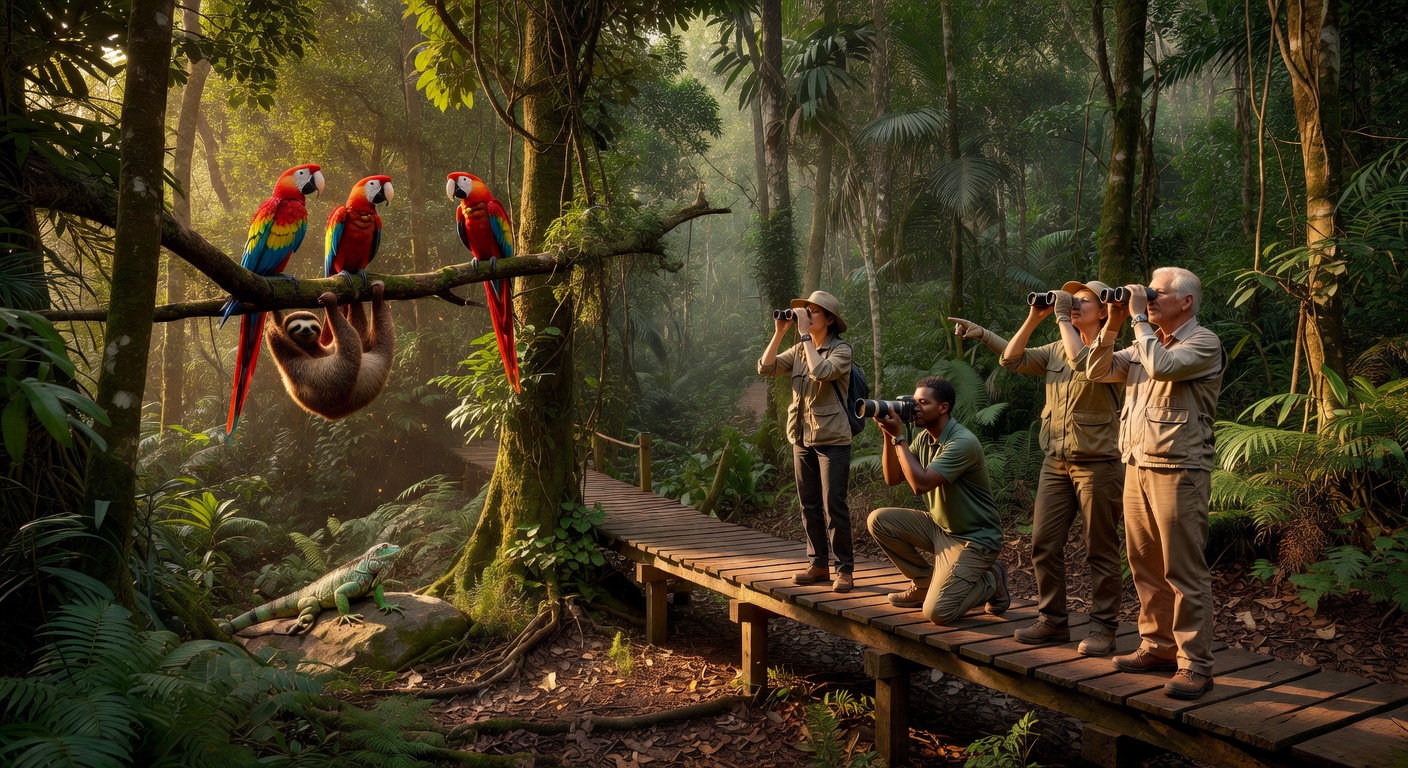
At its heart, ethical wildlife photography rests on a single principle: the wellbeing of your subject always takes precedence over the photograph. This seems obvious when stated plainly, but in the field, with a once-in-a-lifetime subject in front of your lens, the pull of the image can override judgment in even the most well-intentioned photographer.
The practice of ethics in wildlife photography begins before you enter the field — in the research you do about a species' behaviour and stress responses, the guides you choose based on their conservation credentials, and the decisions you make about what you will and won't do for an image. It continues in how you move through habitat, how you respond when an animal shows signs of stress, and whether you walk away from an opportunity rather than push the situation further.
It extends into the digital realm through how you caption your images, whether you geotag precise locations, and what kind of behaviour you model for the wider photography community through your public sharing choices. Ethical wildlife photography is a complete practice — not just a field technique.
These rules have been developed from the combined guidance of conservation biologists, professional wildlife photographers, and animal welfare organisations worldwide.
No image is worth stressing, displacing, or endangering an animal. This is the absolute, non-negotiable foundation of ethical wildlife photography. If an animal changes its behaviour in response to your presence — by moving away, stopping feeding, abandoning young, or showing distress signals — you are too close. Back away immediately and give the animal the space it needs, regardless of the photographic opportunity you lose.
Different species have vastly different tolerance thresholds for human proximity, and those thresholds change with context — a nesting bird that allows close approach during incubation may abandon eggs if disturbed in a different breeding phase. Research the specific behavioral ecology of species you intend to photograph: their stress signals, breeding seasons, critical habitat use, and known response to human disturbance. Ignorance is not a defense against harm caused.
A 400mm or 500mm telephoto lens is the ethical wildlife photographer's most important tool — not for its image quality (though that is superb), but because it allows frame-filling images from distances that cause no disturbance. "Getting close" is not a virtue in wildlife photography; it is often a failure of technique and equipment. The best wildlife photographers get their shots from further away than most people think possible.
Flash photography can permanently damage the retinas of nocturnal animals adapted to low-light environments, disrupt the natural behavior of crepuscular species during critical feeding windows, and disturb nesting birds. Modern high-ISO sensors make flash unnecessary in all but the most extreme situations. Invest in fast lenses and learn to work with available light — the results are almost always more natural-looking and technically superior.
Baiting wildlife with food creates dependency, disrupts natural foraging behaviors, can spread disease, and — most dangerously — habituates animals to human presence in ways that frequently end in their death. Habituated predators are often shot as "problem animals." Habituated prey species become easier targets for poachers. The responsibility for these consequences lies with the photographer who initiated the habituation, however innocent the intention.
Nesting and denning periods are the most sensitive phases of any animal's annual cycle. Disturbance during incubation can cause nest abandonment, cooling of eggs, and predation vulnerability. During denning, disturbance can cause mothers to reject young or move cubs to less suitable locations. Most conservation organizations recommend a minimum distance of 100 meters from any active nest or den site — more for large carnivores.
Off-trail movement in search of better angles compacts soil, damages root systems, destroys invertebrate communities, and creates new access pathways that others follow. The cumulative impact of photographers repeatedly entering sensitive habitat for better positions can devastate ground-nesting bird populations, fragile peatlands, and coastal vegetation. The best photograph is not worth the habitat damage that made it possible.
Choose guides certified by national ecotourism bodies or recommended by conservation organisations. Ethical guides will limit group size, maintain appropriate distances, refuse to harass wildlife for better shots, and prioritize the animal's behavior over the visitor's photography. A guide who allows or encourages inappropriate proximity to wildlife for the sake of a better photograph is a guide whose services actively cause conservation harm.
Captioning a photograph of a zoo animal or wildlife sanctuary resident as "wild" is a form of deception that misleads audiences about the accessibility and abundance of wild populations, and may encourage others to try to recreate encounters that only occur in controlled settings. Always disclose the context of your images honestly — it maintains trust, upholds the integrity of wildlife photography, and prevents the replication of harmful encounters.
The hardest thing in wildlife photography is walking away from a once-in-a-lifetime opportunity because the right thing to do is give the animal space. Every photographer who has ever done this — choosing the animal over the image — has made a decision they will never regret. The photograph that doesn't exist because you made the ethical choice is the most valuable image in your portfolio: proof that your values guide your camera.
The right equipment makes it possible to create stunning wildlife images from distances that cause no disturbance — and reduces your environmental footprint in the field.
A 400mm f/2.8, 500mm f/4, or 600mm f/4 prime lens — or a 100-400mm or 150-600mm zoom — gives you the reach to fill the frame with small or distant subjects without encroaching on their space. Modern optical stabilization systems allow handholding at distances previously impossible. The investment is significant but essential for ethical practice.
A 1.4× or 2× teleconverter extends your effective focal length with minimal optical quality loss on modern high-performance lenses. A 500mm f/4 with a 1.4× converter becomes a 700mm f/5.6 — often sufficient to eliminate the need to move closer to an already-distant animal. They are lightweight, inexpensive relative to longer primes, and highly effective.
Modern full-frame and APS-C sensors capable of clean images at ISO 6400–12800 eliminate the need for flash in low-light conditions. High frame rates (10+ fps) allow you to capture decisive moments without repeated disturbance — one approach, one sequence, one retreat. Mirrorless cameras with silent electronic shutters are particularly valuable around noise-sensitive species.
A low, stable platform — a ground pod, bean bag draped over a vehicle window, or a carbon fiber tripod in the prone position — allows you to work at animal eye level without standing above them. Eye-level perspective creates more intimate, less threatening images while also reducing your visual profile in the landscape.
Wearing muted, natural tones — green, brown, tan, grey — rather than bright colors reduces your visual impact on wildlife. Some species are highly sensitive to movement and color contrast. A lightweight camouflage hide or ghillie cover draped over your gear can allow significantly closer approaches from stationary positions without causing disturbance.
Multi-day field sessions require power for camera batteries and communications devices. Solar charging panels and power banks eliminate the need for diesel generators in remote locations — maintaining the acoustic and atmospheric integrity of wild spaces while keeping your equipment operational. Lightweight panels from Goal Zero and Anker are designed for field use.
Different animals require different approaches. These cards outline the key ethical considerations for four frequently-photographed wildlife groups.
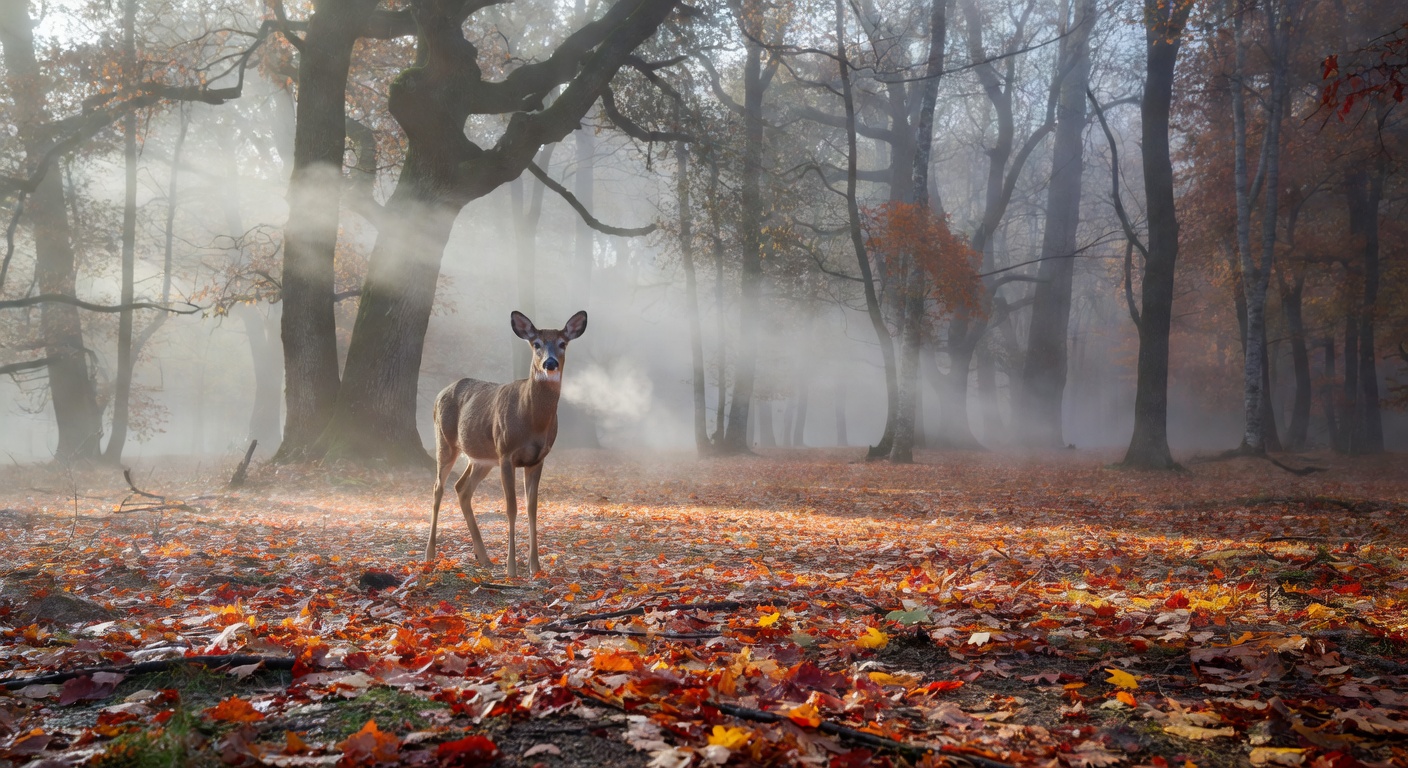
During rutting season, stags and bulls are highly agitated and should be observed from a minimum of 100 meters. Never position yourself between a doe and her fawn. Antler velvet is extremely sensitive — never attempt to handle or touch. Dawn and dusk are optimal lighting and behavioral activity windows; avoid midday approaches during summer heat.
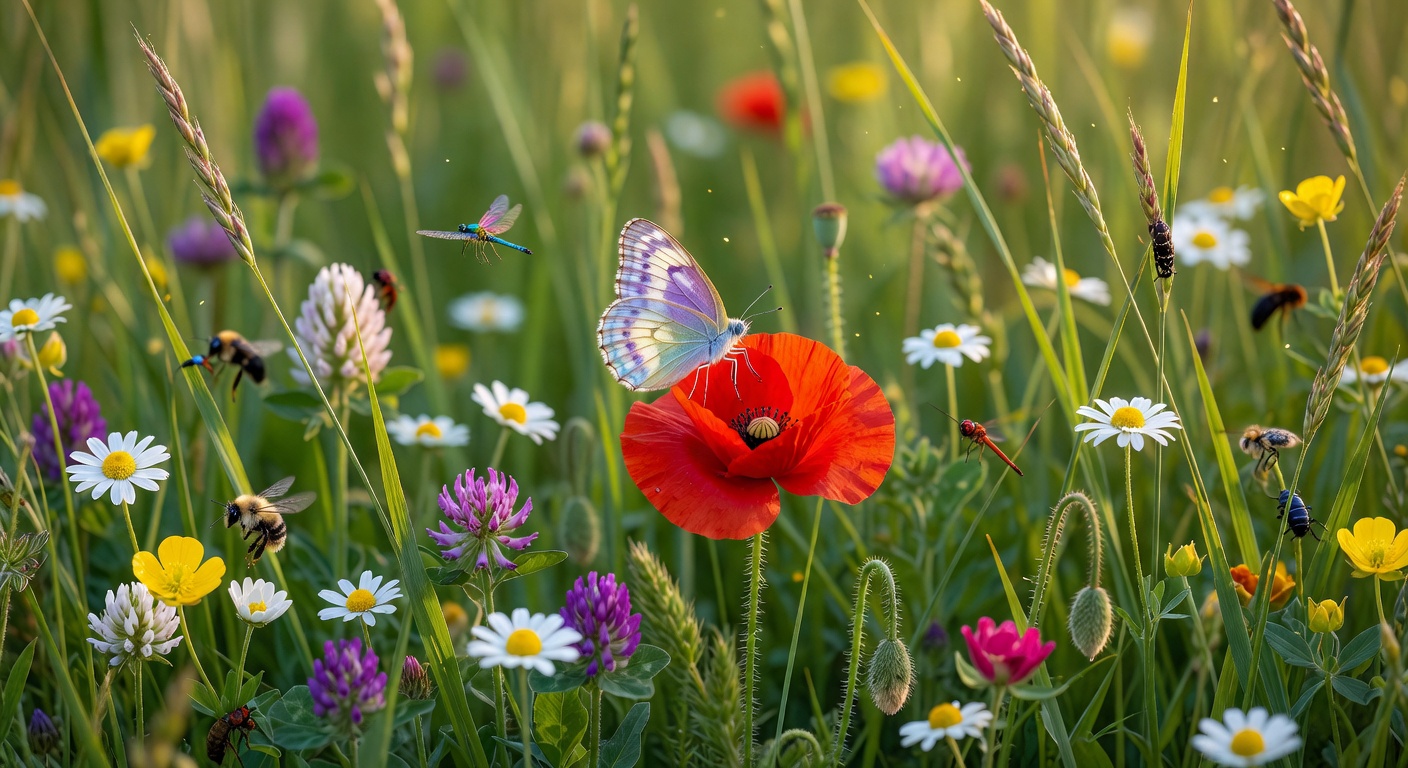
Approach macro photography subjects at ground level where possible to avoid casting shadows that trigger escape responses. Never remove or reposition insects for studio-style compositions. Many butterfly species require specific host plants — do not pick, damage, or disturb vegetation in search of subjects. Dew-covered morning specimens are easiest to photograph but also most vulnerable; be exceptionally careful.
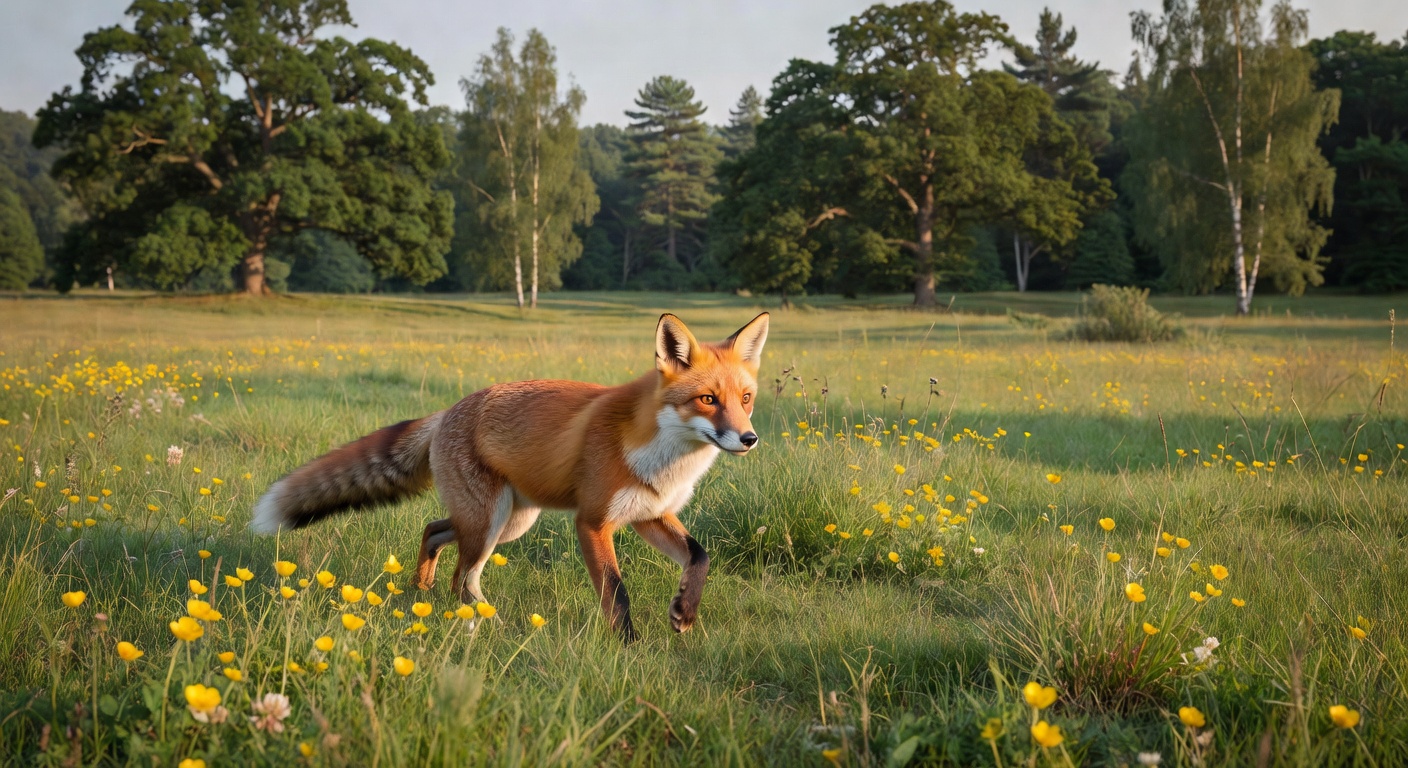
Never feed foxes or other wild canids — dependency and habituation frequently end in their persecution as "problem animals." Urban foxes that appear tame are still wild animals under stress; photographing them at ground level from significant distance is the only ethical approach. Den sites must never be approached or revealed online; poachers use geolocation data to find and kill cubs.
Observe strict minimum distances established by protected area management — typically 30 meters for vehicles, further for pedestrians. Never cut off escape routes or block movement corridors. Multiple vehicle convergences around a sighting create extreme stress; limit group size and encourage single-vehicle observation where possible. Nighttime spotlighting is prohibited in most protected areas and causes documented harm to nocturnal hunters.
Wildlife photography's ethical framework extends naturally to landscape photography. The places you photograph are ecosystems, not backdrops — and how you move through them, how you share them, and the behaviors you model for followers matters profoundly.
The rise of social media has created a new category of landscape photography harm: the viral hotspot effect, where a previously obscure location is overwhelmed by visitors following a geotagged post. Several iconic locations — slot canyons, wildflower meadows, coastal arches — have suffered permanent ecological damage from visitor surges triggered by single photographs shared without thought for consequences.
Never leave marked trails to reach a better angle. The ecological damage caused by off-trail movement accumulates rapidly when repeated by multiple photographers.
Never pick wildflowers, reposition fallen branches, or clear vegetation for a cleaner composition. Leave the landscape exactly as you found it, every time.
Coastal and wetland ecosystems are particularly sensitive. Keep distances from water margins when wading can cause bank erosion or disturb aquatic breeding activity.
Never light fires in natural areas for photographic effect. Even controlled fires in apparently safe conditions carry enormous ecological risk in dry seasons and can cause devastating unintended consequences.
The decisions you make about how to share your wildlife images have real-world consequences for the animals and places in your photographs.