Zero Waste Travel: A Practical Guide
Apply the 5 Rs framework to eliminate waste from every journey — before you leave, during transit, at your destination, and all the way home.
Apply the 5 Rs framework to eliminate waste from every journey — before you leave, during transit, at your destination, and all the way home.
The average traveller generates roughly 1 kg of waste per day — with tourism hotspots producing up to three times more waste per capita than their resident populations. Zero waste travel isn't about perfection; it's about applying a simple framework to dramatically reduce your waste footprint wherever in the world you are.
Developed by zero waste pioneer Bea Johnson, the 5 Rs provide a hierarchy of waste prevention that applies perfectly to travel.
Say no to freebies, samples, disposable amenities, plastic straws and bags you don't need
Bring only what you'll actually use — fewer items means less packaging and less waste generated
Carry reusable bottles, bags, cutlery, and containers that replace single-use alternatives every time
Understand local recycling systems and make the effort to separate and dispose of waste correctly
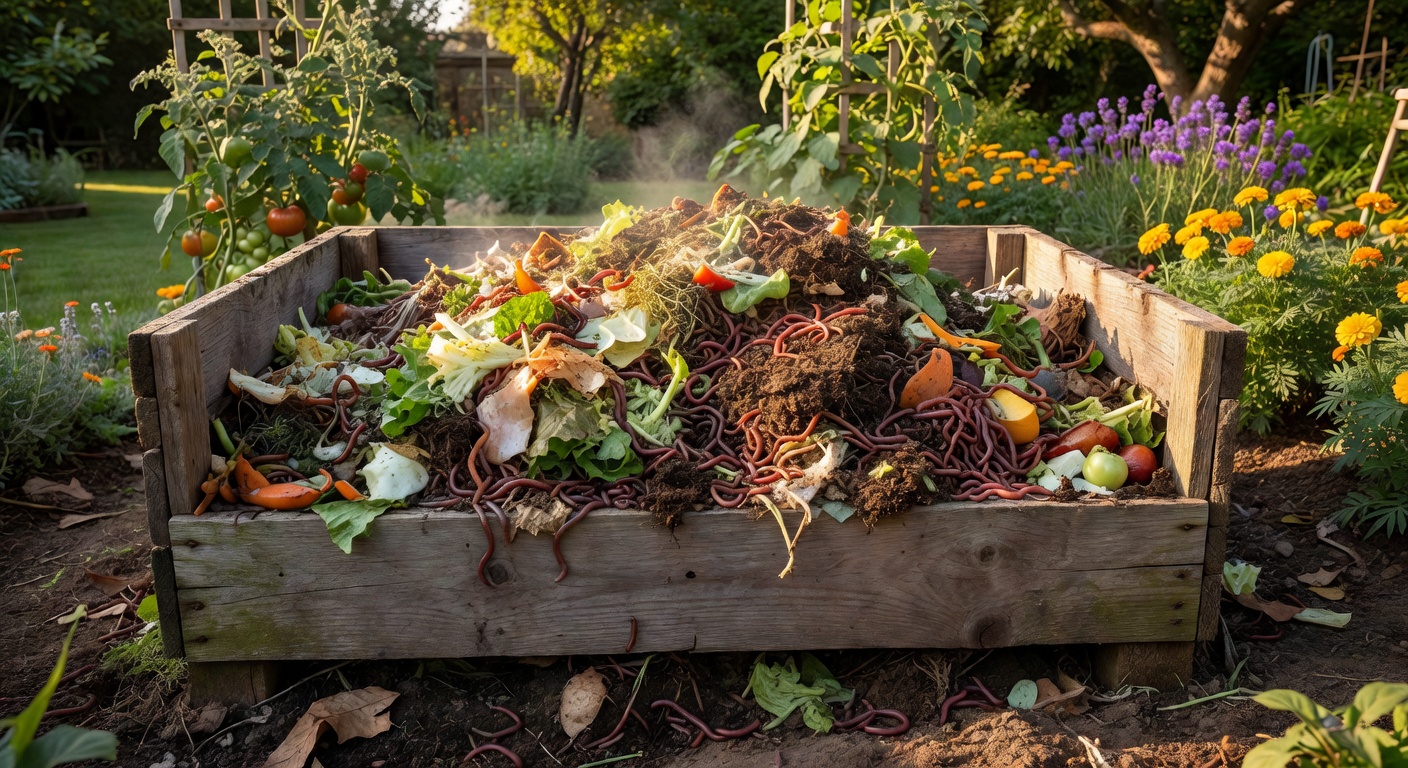
Compost food scraps where possible, and choose accommodation that composts organic waste on-site
Lay out everything you plan to pack and ask: does each item come in single-use packaging? Can any toiletry be replaced with a solid bar alternative (shampoo, conditioner, soap, sunscreen)? Solid products eliminate liquid packaging entirely and pass carry-on security without restriction.
A compact zero waste travel kit — reusable water bottle, stainless steel straw, bamboo cutlery, cloth shopping bag, beeswax wrap, and a small reusable cup — weighs under 500g and eliminates hundreds of single-use items over the course of a trip. See our complete checklist below.
Carry your reusable bottle through security empty and fill it before boarding. On flights, politely decline single-use plastic cups, stirrers, and individually wrapped snacks. Bring your own snacks in reusable containers. Request vegetarian or vegan meals in advance — they typically use less packaging.
Most hotel rooms come stocked with miniature shampoos, conditioners, and soaps in single-use plastic bottles. Decline these amenities and use your own solid alternatives. Hang your towels to signal you don't need them replaced daily — this also saves an enormous amount of water and detergent.
Local markets and street food stalls typically use far less packaging than supermarkets and tourist restaurants. Bring your own container for takeaway, ask for your drink without a straw, and choose restaurants that serve tap water rather than bottled. Say "no bag needed" before they bag your purchase.
Souvenirs and gifts are often heavily packaged. Choose handmade, unpackaged, locally produced items over factory-made trinkets. Bring a reusable bag for all shopping. If buying food, seek out bulk stores and markets where you can fill your own containers with grains, nuts, and spices.
In regions where tap water is unsafe, use a filtering water bottle (LifeStraw, GRAYL Geopress) or portable UV purifier (SteriPen) rather than buying single-use plastic bottles. One GRAYL filter bottle can replace up to 300 single-use bottles before its filter needs replacing.
Recycling systems vary enormously by country and even by city. In Germany, glass, paper, and plastic are rigorously separated; in many developing countries, sorting infrastructure is limited. Research the local system before you arrive using the Recyclopedia app or country-specific guides, and adapt accordingly.
Store boarding passes, booking confirmations, maps, and guides on your phone rather than printing them. Use offline-capable apps like Maps.me and download destination guides as PDFs. A digital-first approach eliminates not just paper waste but the energy needed to print, ship, and distribute paper materials.
The Leave No Trace framework was developed for wilderness travel but applies everywhere: pack out what you pack in, don't leave food waste or rubbish at natural sites, and if you find litter in a beautiful place, pick it up — even if you didn't put it there. Small acts of stewardship at scale make an enormous difference.
Tick off each item as you add it to your pack. This kit fits in a small pouch and weighs under 600g total.
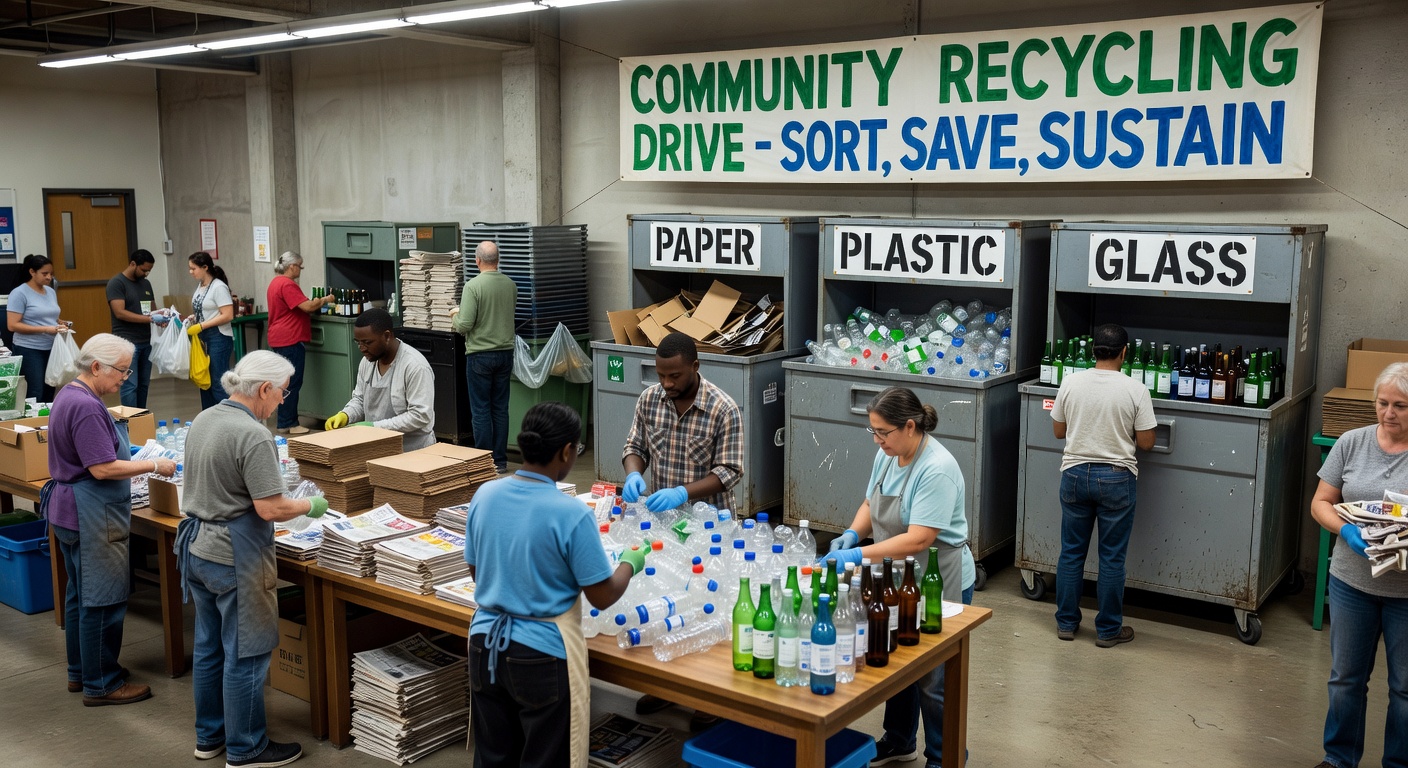
Recycling infrastructure varies enormously around the world. What's recyclable in one country may end up in landfill if placed in a recycling bin in another, and contamination of recycling streams is a major problem globally.
Germany has one of the world's most sophisticated systems — with a Pfand (deposit) scheme for bottles and strict separation requirements. Japan's hyaku-en (100-yen) stores and kombini food waste programs are world-class. But in many parts of Southeast Asia and Central America, sorting and recycling infrastructure is still developing.
The most reliable zero waste strategy is to avoid generating waste that needs recycling in the first place. Recycling is important, but it's far down the waste hierarchy — refusing and reducing are always more effective.
Recycling norms differ significantly by destination. Here's a quick guide to what to expect in popular eco-travel destinations.
| Destination | Recycling System | Tap Water Safe? | Tip for Travellers |
|---|---|---|---|
| Germany | Highly advanced — 5 separate bins + Pfand bottle deposits | Yes | Return glass and plastic bottles to supermarkets for deposit refund |
| Japan | Excellent — 4–8 categories depending on municipality | Yes | Follow local sorting charts; vending machines have dedicated recycling slots |
| Costa Rica | Developing — municipal collection in cities; limited rural coverage | Mostly yes (check locally) | Use filter bottle; eco-lodges often have on-site composting |
| Iceland | Strong — bins for plastic, glass, paper, metal in all towns | Yes (glacier water) | No need for bottled water anywhere; refill freely |
| Indonesia | Limited formal system; plastic banks gaining traction in Bali | No | Use filter bottle; Bali has local beach cleanup orgs — join one |
| New Zealand | Good — standardised 3-bin system nationwide since 2024 | Yes | Strict biosecurity — don't bring food across borders or between islands |
Food waste accounts for roughly one third of all waste generated by travellers. In destinations with composting infrastructure — Japan, Germany, the Netherlands, New Zealand — separating organic waste is straightforward. In many others, you may need to be more creative.
Eco-lodges and guesthouses in destinations like Costa Rica, Belize, and Borneo typically compost all organic waste and use it to fertilise on-site gardens. Ask your accommodation if they compost, and separate your fruit peels, coffee grounds, and food scraps accordingly.
Preventing waste from entering the ocean begins on land. Every piece of litter that reaches a storm drain can end up in the sea. When you travel coastal areas, carry a small bag to collect any litter you find — even if you didn't put it there. Your action directly protects marine ecosystems.
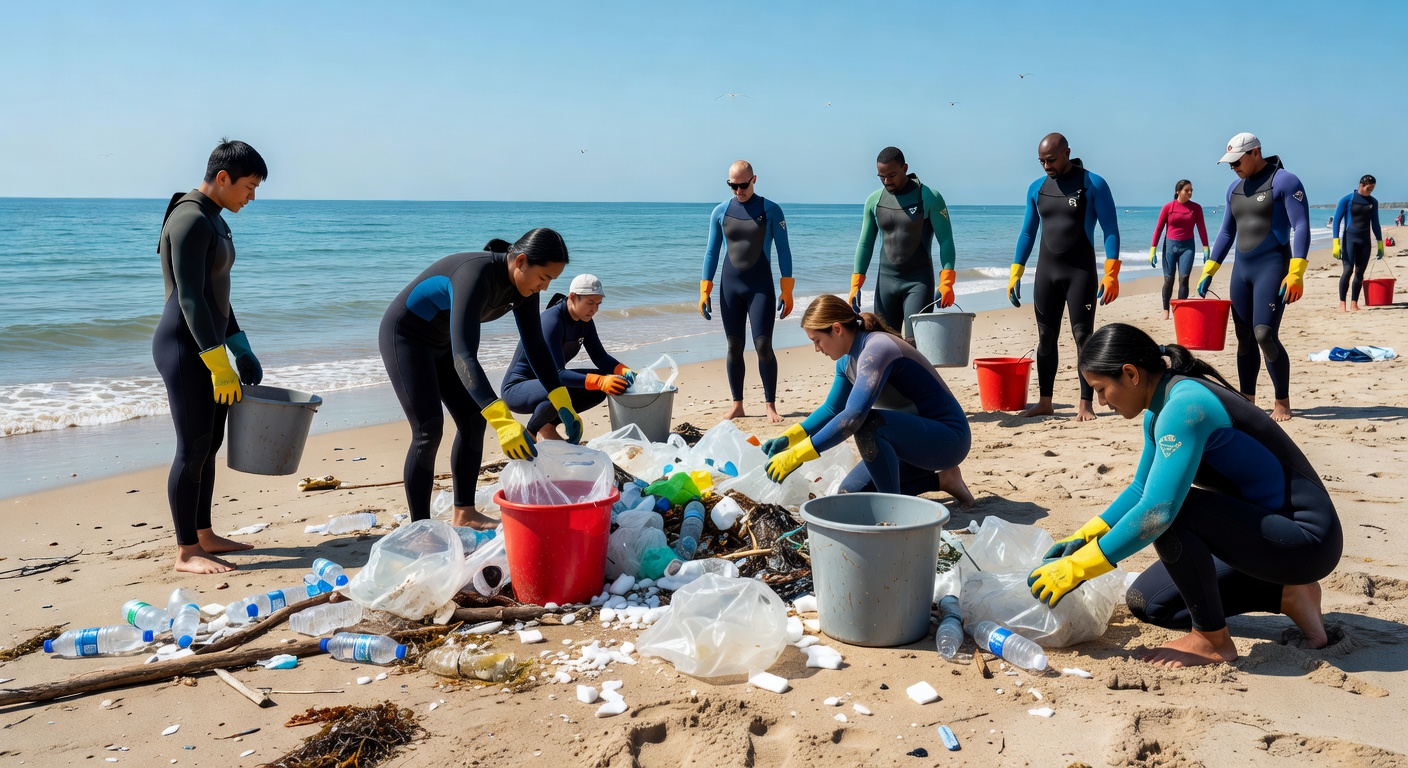
The connection between terrestrial waste and ocean pollution is direct and devastating. Approximately 80% of ocean plastic originates on land, carried to sea by rivers, wind, and storm drains. Every item of waste you prevent generates a direct benefit to marine ecosystems.
Many popular diving and snorkelling destinations — the Great Barrier Reef, the Coral Triangle, Galápagos, Caribbean reefs — are under severe pressure from plastic pollution. Zero waste travel in these regions isn't just an ethical choice; it's a direct act of conservation.
These apps make it easier to live zero waste on the road.
Maps thousands of free water refill stations globally. Find the nearest café, restaurant, or public fountain that will refill your bottle for free. Available in the UK, Australia, Europe, and growing worldwide.
Locates recycling facilities for over 350 types of materials across 100,000+ locations in the US. Useful for understanding which materials are accepted where — and finding drop-off points for items your hotel can't process.
Connects travellers with local cafés and restaurants selling surplus food at discounted prices near closing time, preventing perfectly good food from going to waste. Available in 17 countries with 100M+ users.
Bea Johnson's official app maps zero waste and bulk stores worldwide, making it easy to find shops where you can buy food and household goods without packaging in cities around the globe.