Wildlife Conservation & Responsible Wildlife Tourism
Wildlife tourism can be a powerful force for conservation — or a driver of harm. Learn how to tell the difference, avoid exploitative attractions, and travel as a genuine friend of wildlife.
Wildlife tourism can be a powerful force for conservation — or a driver of harm. Learn how to tell the difference, avoid exploitative attractions, and travel as a genuine friend of wildlife.
Wildlife tourism is a $343 billion industry — and it's growing. When done well, it funds conservation, protects habitat, and gives local communities a powerful financial incentive to protect rather than exploit wildlife. When done badly, it fuels abuse, disrupts animal behaviour, and can drive species toward extinction. The difference lies in understanding what to look for — and what to walk away from.
Before purchasing any wildlife experience, research the operator thoroughly. Look for verification by the Global Federation of Animal Sanctuaries (GFAS), World Animal Protection's Wildlife Friendly rating, or IUCN Species Survival Commission endorsement. Check TripAdvisor and local conservation NGO recommendations.
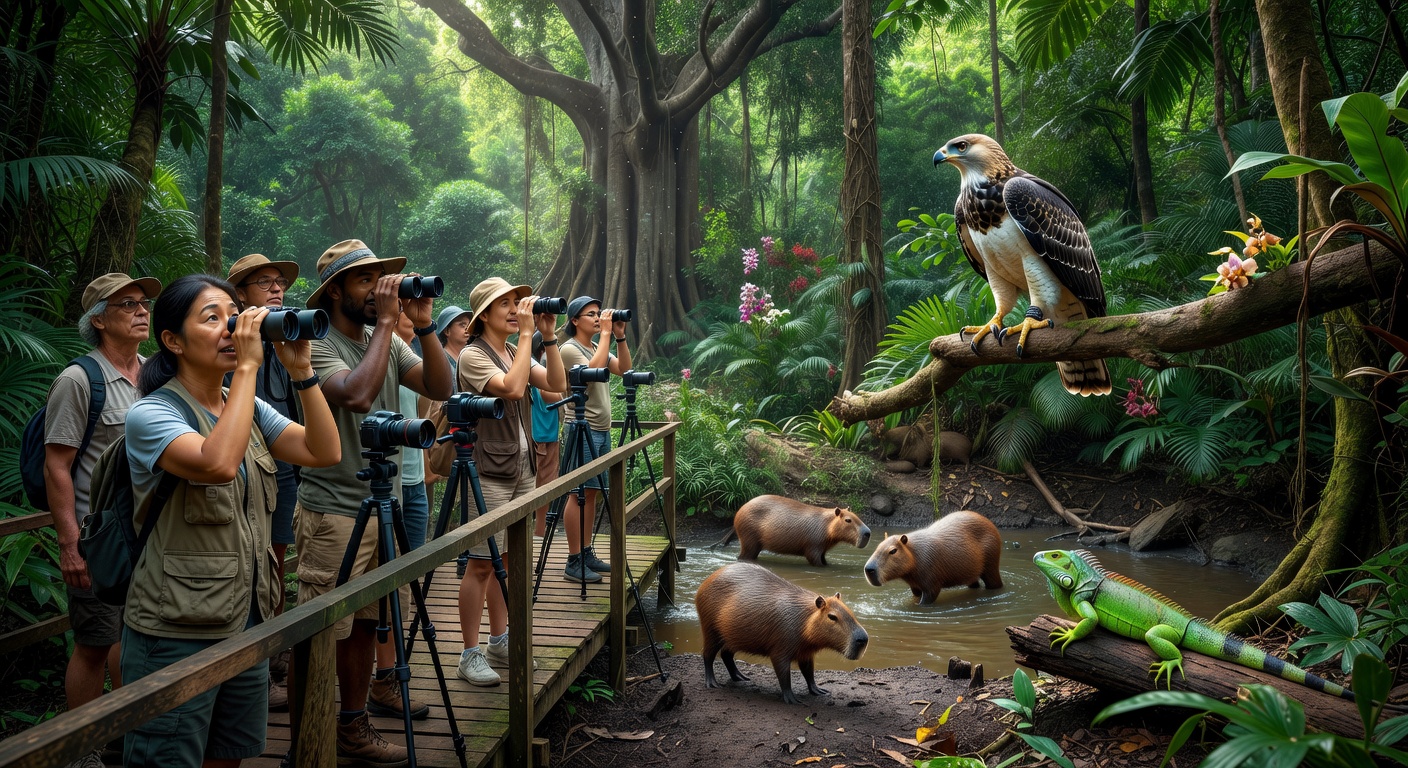
Seeing animals in their natural habitat — even fleetingly — is infinitely more valuable than visiting facilities that keep wild animals captive. Choose responsible safari operators, snorkelling tours, and birdwatching guides who prioritise natural behaviour observation over guaranteeing close encounters.
Legitimate wildlife operators welcome questions. Ask: Where do your animals come from? Are they free to leave? Do you have a permit? What percentage of fees go to conservation? Do your guides have wildlife welfare training? Evasive or defensive answers are red flags.
Every species has a "flight distance" — the point at which human proximity causes it stress. Stay beyond this distance always. Avoid wildlife encounters at dawn and dusk (peak feeding times), during breeding season, or near nests and young. If an animal shows signs of stress — freezing, moving away, alarm calls — you're too close.
Feeding wild animals — even fruit or "natural" foods — habituates them to humans, disrupts their natural foraging behaviour, spreads disease, and can cause nutritional problems. Animals that associate humans with food become dangerous and are often culled. Never feed wildlife regardless of local custom or tour guide encouragement.
Marine wildlife tourism is booming but poorly regulated in many regions. Choose dive operators who enforce no-touch policies, limit group sizes to 8 or fewer, carry Blue Flag or Green Fins certification, and brief guests on responsible snorkel/dive behaviour before entering the water. Avoid operators who allow whale shark, manta ray, or dolphin touching.
The Convention on International Trade in Endangered Species (CITES) restricts trade in over 38,000 species. Buying products made from CITES-listed species — ivory, certain shells, some timber, reptile skin — directly drives poaching. If you're unsure, don't buy. Report suspected illegal wildlife products to TRAFFIC or local customs authorities.
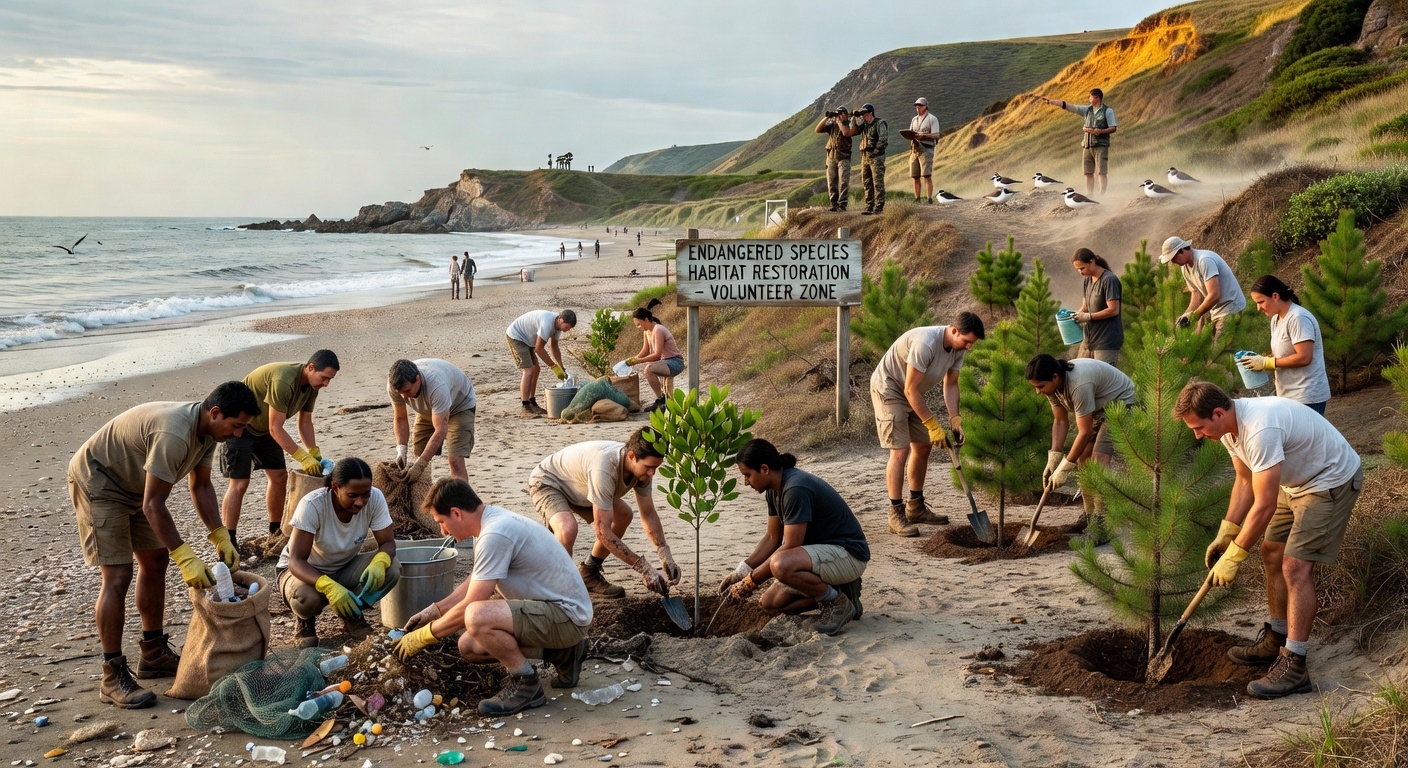
Voluntourism with wildlife can be genuinely impactful or exploitative "pay to play" experiences. Verified programs include those run by WWF, Wildlife Conservation Society, African Wildlife Foundation, and university-affiliated research stations. Minimum commitments of 2+ weeks allow meaningful contribution rather than distressing animals with constant new human contact.
Wildlife photography and social media have created demand for dangerous close-up images. Never reposition, disturb, or stress an animal for a photograph. Use a zoom lens and patience. Don't share images on social media that might inspire others to replicate harmful behaviour — images of people holding wild animals, for example, normalise capture and captivity.
Do not attempt to rescue or rehabilitate injured wildlife yourself, except to contact local wildlife rescue organisations. Don't move animals or plants between habitats — invasive species cause catastrophic ecosystem damage. Clean gear between water bodies, shake out boots before entering national parks, and follow all biosecurity protocols.
These attraction types almost always involve animal suffering, regardless of how they're marketed.
Elephants used for riding or entertainment are typically "broken" through a painful process called phajaan — where young calves are separated from their mothers and subjected to physical stress to break their spirit. No riding operation is ethical. Visit accredited elephant sanctuaries where elephants roam freely instead.
Tigers and lions chained or caged for tourist selfies are kept in stressful captivity, often sedated or declawed. Many "sanctuaries" in Southeast Asia supply cubs to entertainment venues and sell adult animals when they become dangerous. Any facility where you can hold or touch a big cat is suspect.
Any show where wild animals perform unnatural behaviours — dolphins jumping through hoops, bears riding bicycles, primates dressed in clothes — requires aversive training methods to produce. These shows are prohibited by World Animal Protection's standards and should be boycotted entirely.
Operations offering cuddle sessions with bear cubs, lion cubs, or baby primates routinely remove young animals from their mothers — causing severe psychological trauma. Cubs are typically discarded into canned hunting programs or private ownership when they reach adult size. Walking with lions is similarly problematic.
Facilities that breed wildlife specifically so tourists can interact with young animals — even "conservation-branded" operations — are rarely contributing to genuine species recovery. True conservation breeding programs have strict no-public-contact policies to ensure animals can be reintroduced to the wild.
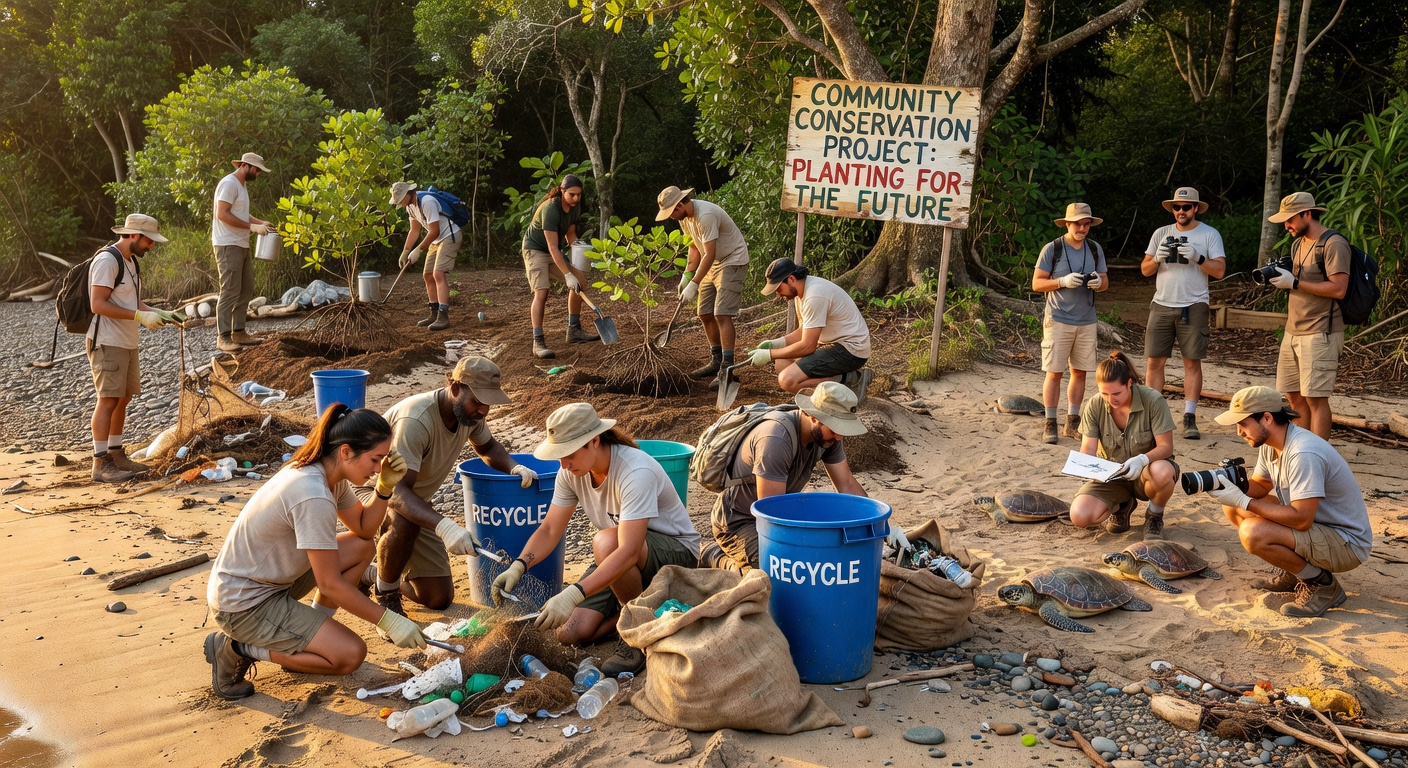
Real conservation isn't glamorous — it's rangers tracking poachers at night, scientists attaching GPS collars to leopards, community facilitators negotiating with farmers to create wildlife corridors. When your tourism dollars go to operators who fund these activities, you become a genuine partner in conservation.
Look for accommodation and tour operators who employ local rangers, fund anti-poaching units, contribute to corridor creation, or partner with national scientific institutions. Ask for evidence of their conservation contributions — legitimate operators are proud to share it.
Community-based ranger programs in Kenya, Botswana, and Namibia have demonstrated that when local people are employed as wildlife guardians and directly benefit from conservation, poaching rates fall dramatically — sometimes by over 90%.

These species recoveries demonstrate what's possible when conservation receives sustained funding and community support.
Once hunted to near extinction, humpback whale populations have recovered from approximately 1,500 in the 1960s to over 80,000 today. Whale-watching tourism now generates $2.1 billion annually — providing a financial incentive for their protection that far exceeds any whaling operation.
Listed as Critically Endangered in 2018, mountain gorilla populations have grown from around 620 in 2008 to over 1,000 today — the only great ape whose numbers are increasing. Gorilla trekking permits ($1,500–$1,800 per person) fund the Virunga conservation authority, anti-poaching patrols, and community programs.
Grey wolf reintroduction in Yellowstone (1995) triggered a "trophic cascade" that transformed the ecosystem — reducing elk overgrazing, allowing riverside vegetation to recover, attracting beavers, and changing river courses. Wildlife tourism to see wolves now contributes $35 million annually to the local economy.
Multiple sea turtle species have shown significant population recoveries since the 1970s, thanks to nesting beach protection, fishing bycatch reduction, and marine protected areas. Turtle-watching tourism — done respectfully — now funds many of the beach monitoring programs that protect nesting females and hatchlings.
Support WWF, WCS, African Wildlife Foundation, or conservation programs specific to the species or habitat you care about most.
Book stays at lodges that reinvest revenue in anti-poaching, habitat restoration, and community ranger programs.
Share ethical wildlife tourism content, report exploitation, and support policy campaigns for stronger wildlife protection laws in your home country.